Reports
Bioactive Natural Products Research Conference
Bio.Natural 2025 – Bioactive Natural Products Research Conference
Lisbon, Portugal | July 14–15, 2025 | Hybrid Event
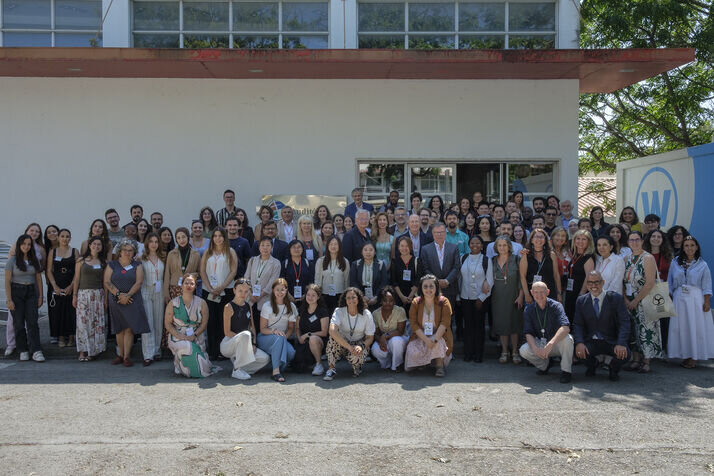
The Research Center for Biosciences & Health Technologies (CBIOS) at Universidade Lusófona successfully hosted the IV Bio.Natural Conference, a global forum spotlighting the future of bioactive natural products. Held in Lisbon and streamed worldwide, the two-day hybrid event gathered leading scientists, clinicians, and industry innovators to explore how nature’s compounds are shaping tomorrow’s medicine, nutrition, and technology.
 Read More
Global Virtual Symposium on 3D Food Printing
The Global Virtual Symposium on 3D Food Printing 2025 brought together innovators, researchers, and entrepreneurs from across the globe to explore the rapidly evolving field of food printing. The one-day online event highlighted the intersection of food science, engineering, design, and health, showcasing how 3D printing technologies are reshaping the future of nutrition, sustainability, and culinary creativity.
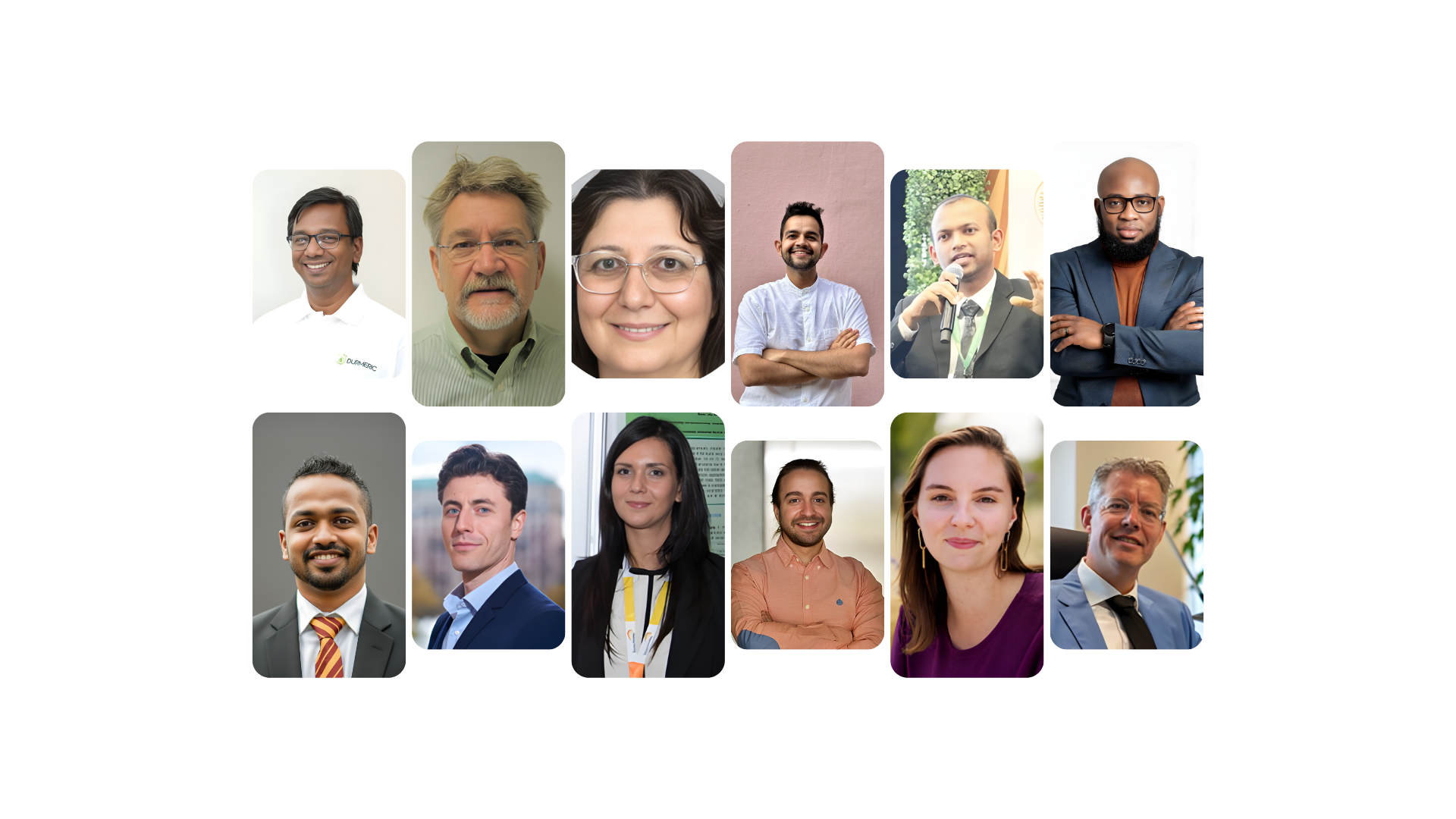
The symposium opened with remarks from the chair, followed by a keynote from Alain Le-Bail (ONIRIS GEPEA CNRS, France), who discussed the role of functional starch in 3D printing, from ink development to printability criteria. Shahnaz Mansouri (Monash University, Australia) examined the future of food through the lens of 3D printing, while Jashan Sippy (Sugar and Space) offered a unique perspective on applications ranging from dysphagia management to deep space exploration. Jeyan Moses (NIFTEM, India) provided an overview of global trends in food printing research and development.
 Read More
Global Virtual Conference on Leishmaniasis 2025
The Global Virtual Conference on Leishmaniasis 2025 brought together leading researchers, clinicians, and public health experts from across the globe to discuss the latest advances in tackling one of the world’s most persistent neglected tropical diseases. Organized by IRC – Impact Research Communications, the one-day online event provided a platform for sharing scientific breakthroughs, innovative diagnostics, and therapeutic strategies, while also highlighting progress in elimination programs.
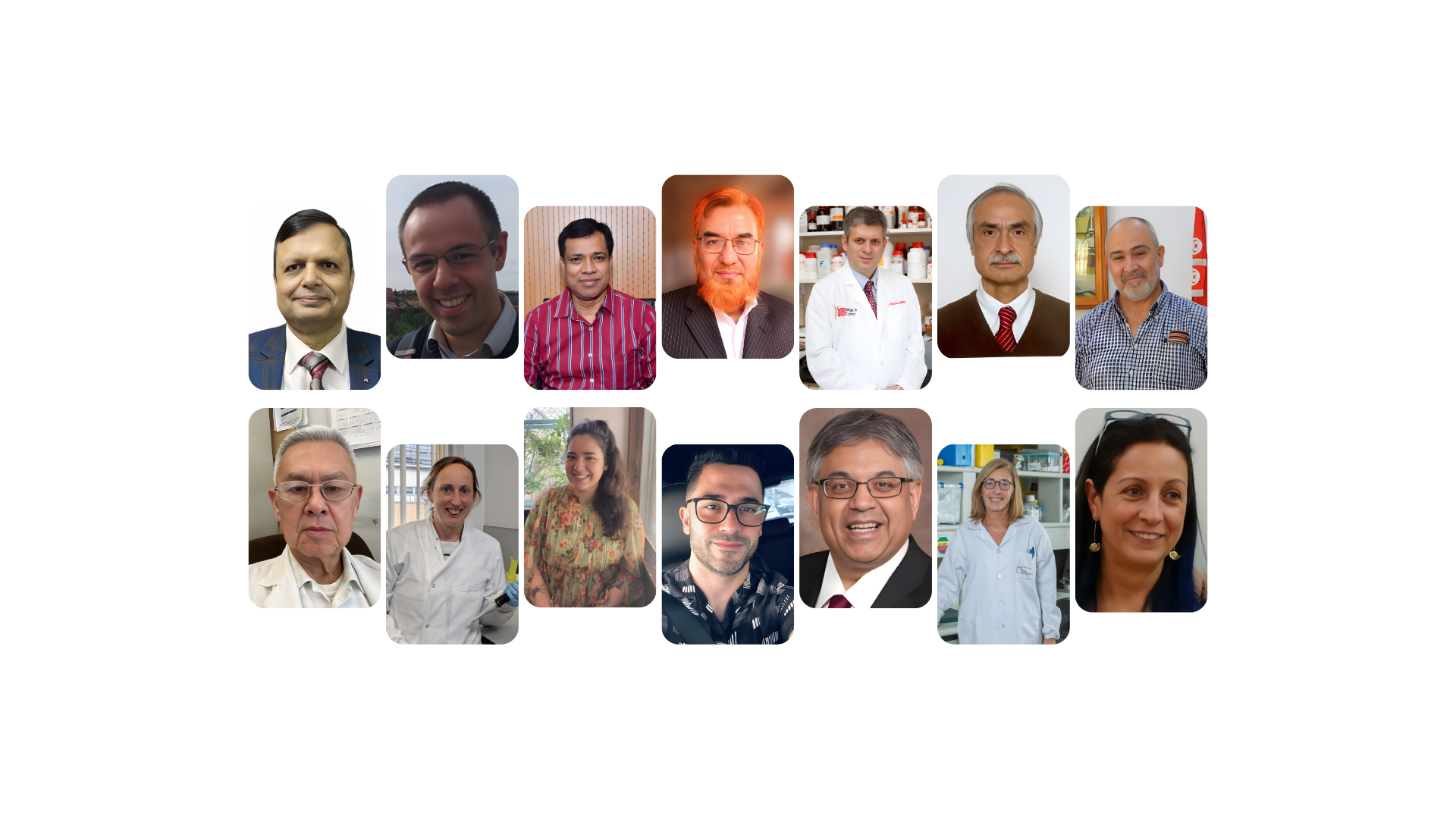
The conference opened with a keynote by Shyam Sundar (Banaras Hindu University, India), who shared the remarkable journey of visceral leishmaniasis elimination efforts in India. This was followed by Sébastien Pomel (University of Paris-Saclay, France), who emphasized host-cell targeting as a novel therapeutic approach, and Debabrata Mandal (NIPER Hajipur, India), who presented work on metallic nanoparticles of Amphotericin B designed to reduce toxicity while enhancing antileishmanial efficacy. Muhammad Manjurul Karim (University of Dhaka, Bangladesh) introduced a patient-friendly molecular diagnostic tool, marking a significant step forward in the fight against visceral leishmaniasis.
 Read More
Global Virtual Symposium on Pneumonia and Pneumococcal Diseases 2025
The Global Virtual Symposium on Pneumonia and Pneumococcal Diseases 2025 convened leading scientists, clinicians, and public health experts to address one of the most pressing infectious disease challenges worldwide. The one-day online event provided a platform for sharing cutting-edge research on bacterial variability, host-pathogen interactions, vaccine impact, and novel therapeutic approaches.
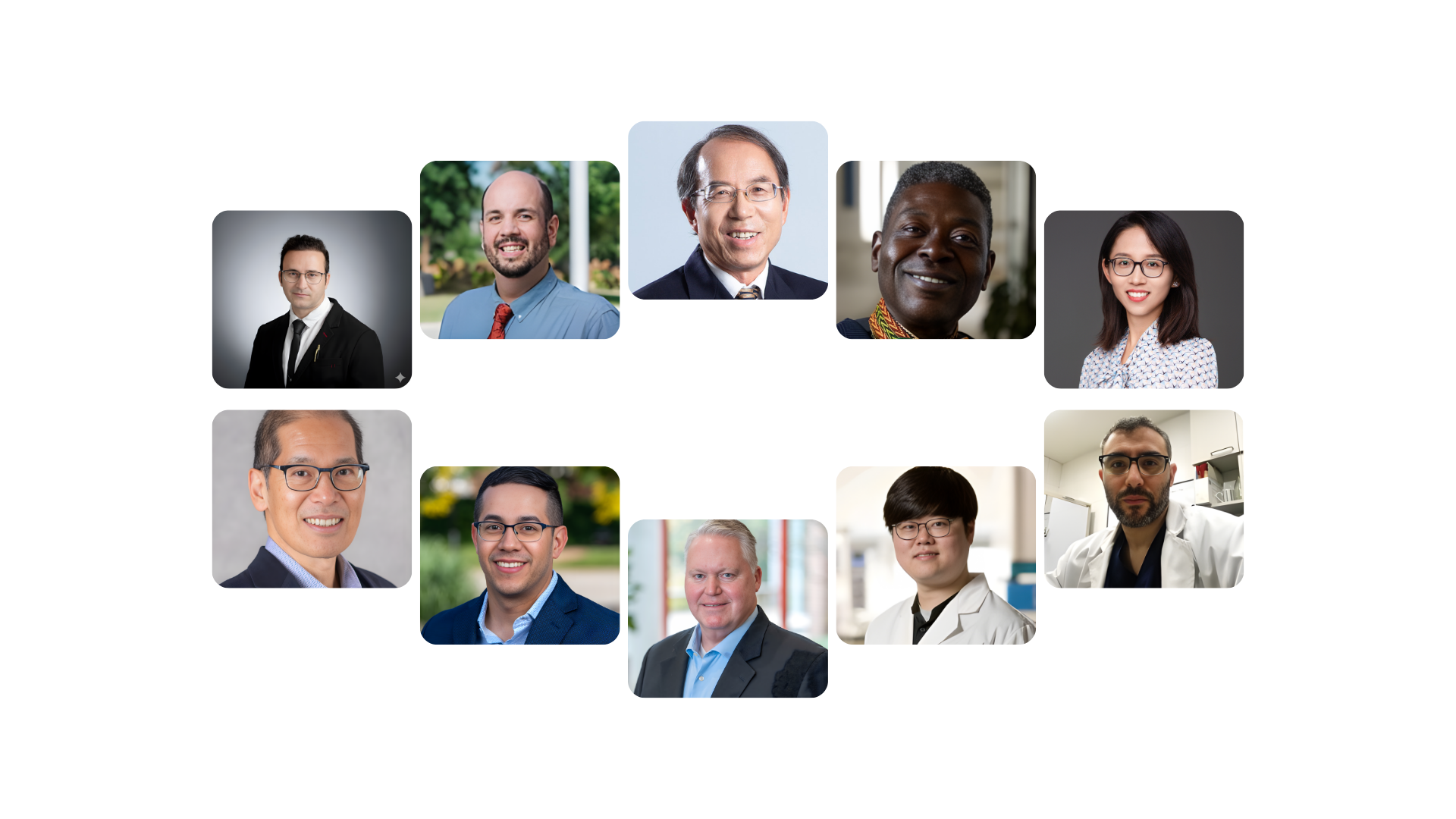
The symposium opened with remarks from the chair, followed by Juan Jose Calix (University of Alabama at Birmingham, USA), who explored capsule variability in pneumococci and its implications for disease persistence. Jing Ren Zhang (Tsinghua University, China) presented work on capsule receptor-based mechanisms for capturing invasive pneumococci in the lungs and bloodstream. Martin Antonio (MRC Gambia/LSHTM, UK) highlighted outbreaks of pneumococcal disease in West Africa, underscoring regional epidemiological challenges. This was complemented by Xue Liu (Shenzhen University, China), who introduced genome-wide CRISPRi-seq findings identifying FprB as a synergistic target for gallium therapy in Pseudomonas aeruginosa.
 Read More
Global Virtual Symposium on Schistosomiasis 2025
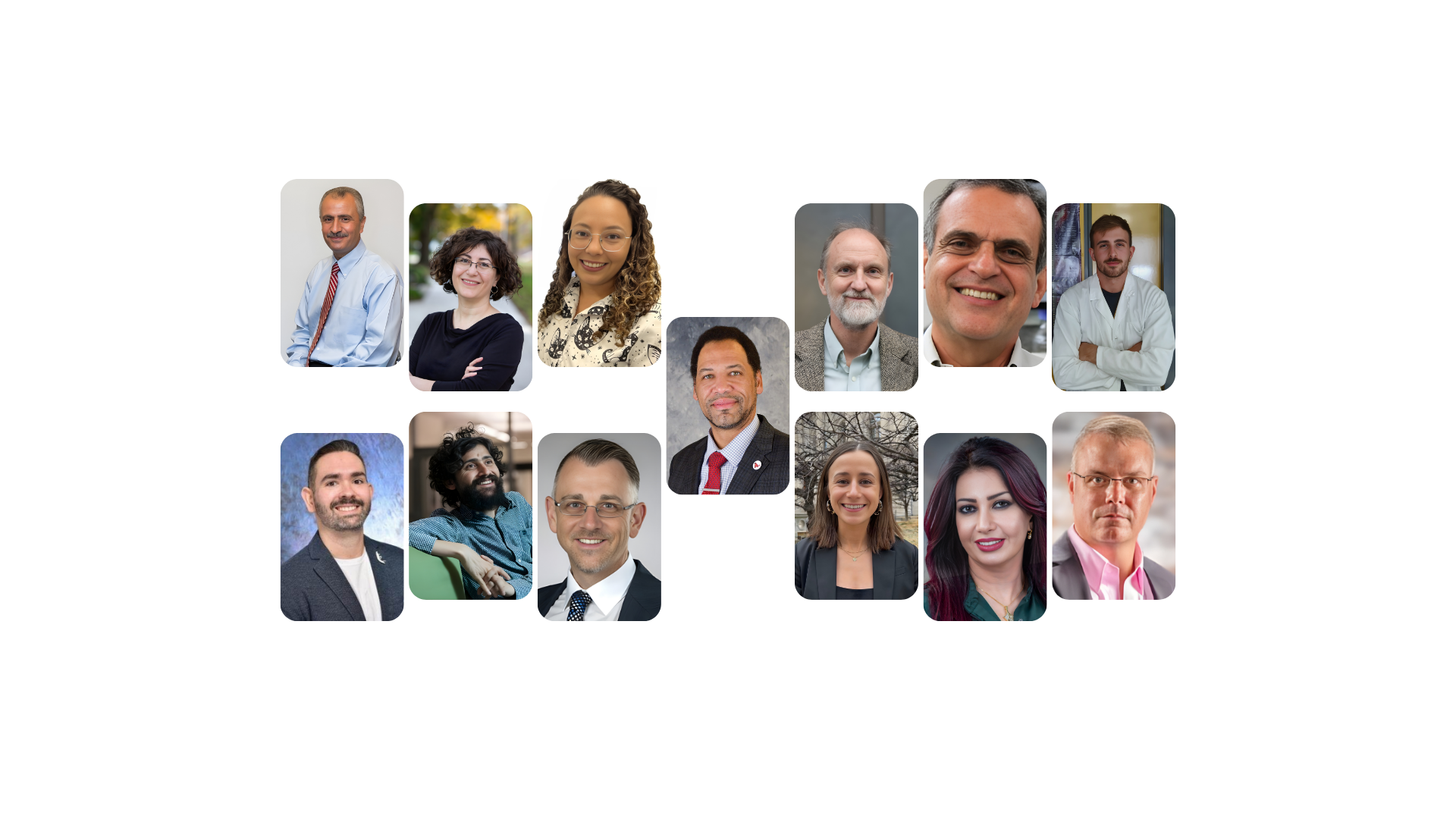
The Global Virtual Symposium on Schistosomiasis opened with a compelling keynote by Dr. Akram Da’darah from Tufts University, who introduced a promising molecular target for new schistosomiasis treatments: a non-neuronal acetylcholinesterase (SmTAChE) anchored to the parasite’s tegument. His team’s functional studies demonstrated that silencing SmTAChE significantly impaired parasite infectivity in mice. Structural modeling revealed distinct differences between parasite and human AChE, paving the way for selective inhibition. High-throughput screening of chemical libraries yielded dozens of potent inhibitors, with 23 showing strong selectivity and IC₅₀ values ranging from 0.4 to 29 µM—marking a major step toward novel anti-schistosome therapies.
Following this, Dr. Parisa Kalantari from Penn State University took the virtual stage to discuss immune modulation strategies. Her research focused on the STING pathway’s role in schistosomiasis immunopathology. In high-pathology mouse models, STING deficiency led to exacerbated liver inflammation and elevated Th1/Th17 cytokines. Treatment with the STING agonist diABZI-3 restored IFNβ production and suppressed pro-inflammatory cytokines, offering a promising therapeutic avenue to temper immune-mediated damage in schistosomiasis.
 Read More
International Virtual Symposium on Staphylococcus aureus and Staphylococcal Infections
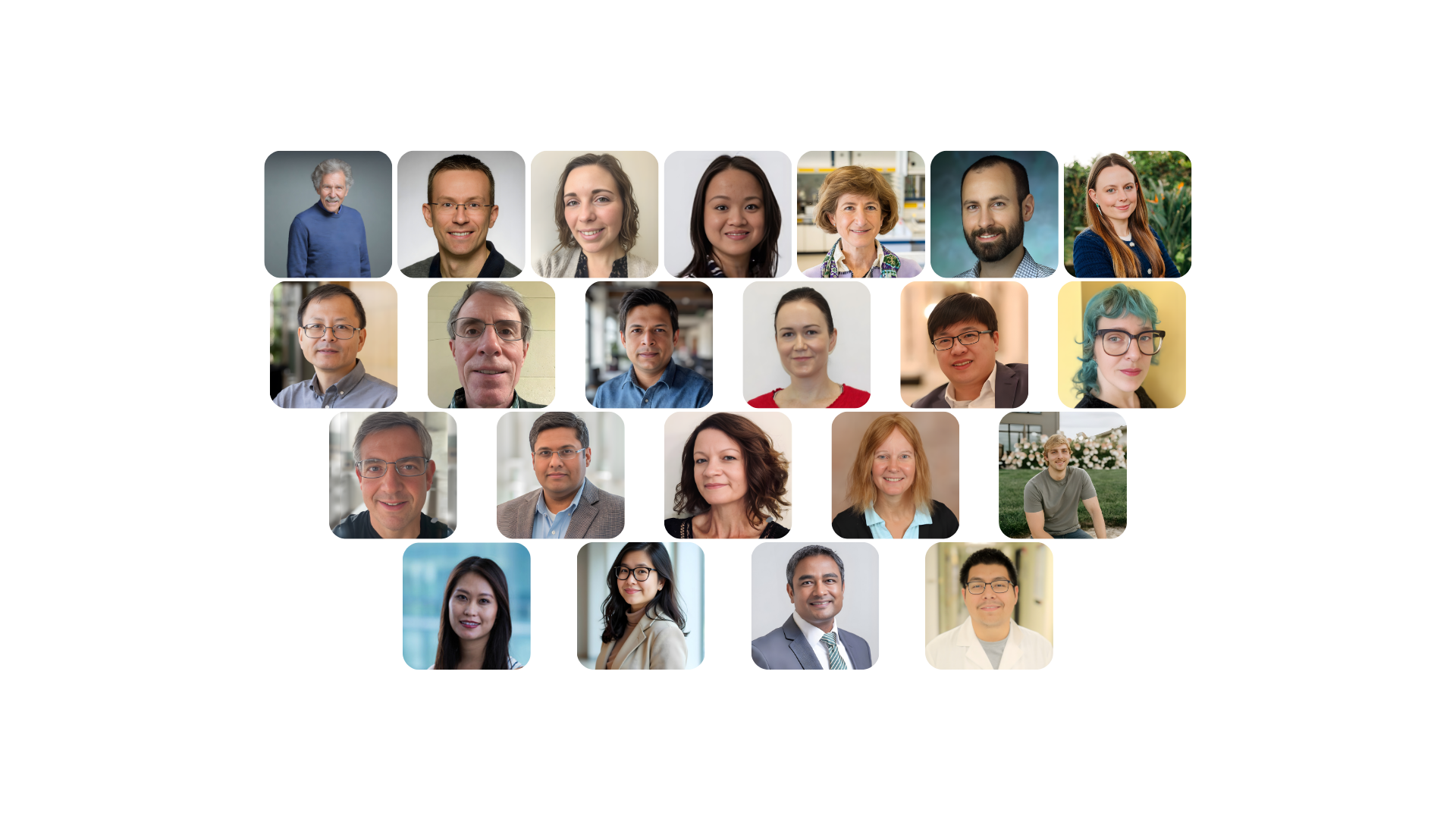
The two-day symposium brought together global experts to explore the evolving landscape of Staphylococcus aureus infections—from molecular mechanisms and antibiotic resistance to host-pathogen interactions and vaccine development. The discussions were rich with innovation, clinical relevance, and translational promise.
The symposium opened with a groundbreaking plenary by Dr. Richard P. Novick from NYU Grossman School of Medicine, who unveiled the Antibacterial Drone (ABD) platform—a repurposed phage-like particle derived from SaPIs, engineered to deliver lethal genetic payloads to S. aureus. Armed with CRISPR/cas9 targeting agrA, the ABD demonstrated potent therapeutic efficacy in murine models of abscesses, pneumonia, and biofilm infections. Notably, the platform overcame restriction barriers in clinical isolates through genome synthesis, marking a new frontier in precision antimicrobials.
 Read More
TB & Mycobacteriology symposium (TB-2025)
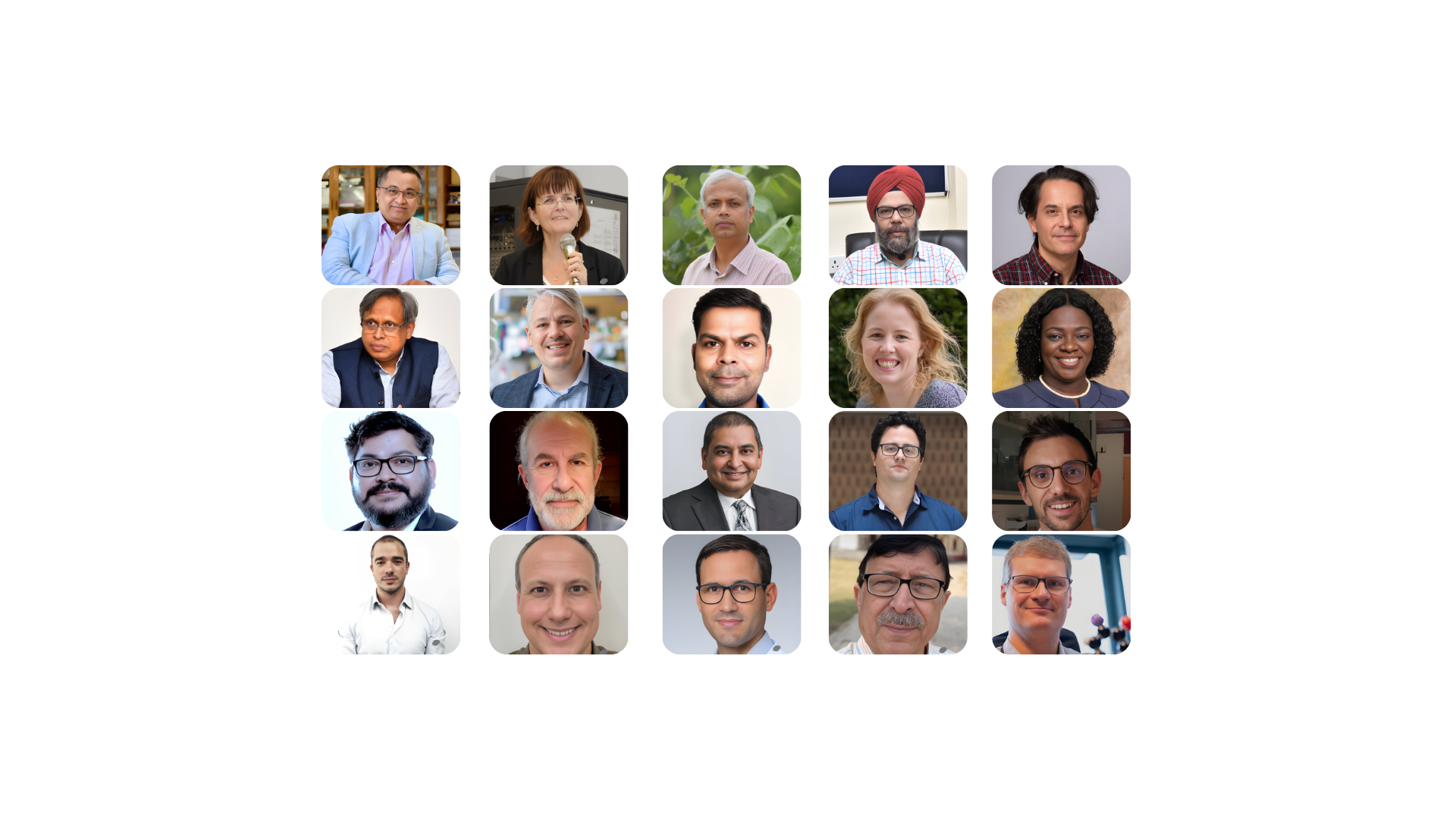
The Frontiers in TB & Mycobacteriology symposium brought together a global network of researchers, clinicians, and innovators to explore the molecular, clinical, and translational dimensions of tuberculosis (TB). Over two days, the symposium featured 20+ presentations spanning drug resistance, host-pathogen interactions, vaccine development, diagnostics, and antimicrobial stewardship—each contributing to the urgent mission of ending TB.
 Read More
Global Virtual Symposium on Trypanosomiasis 2025
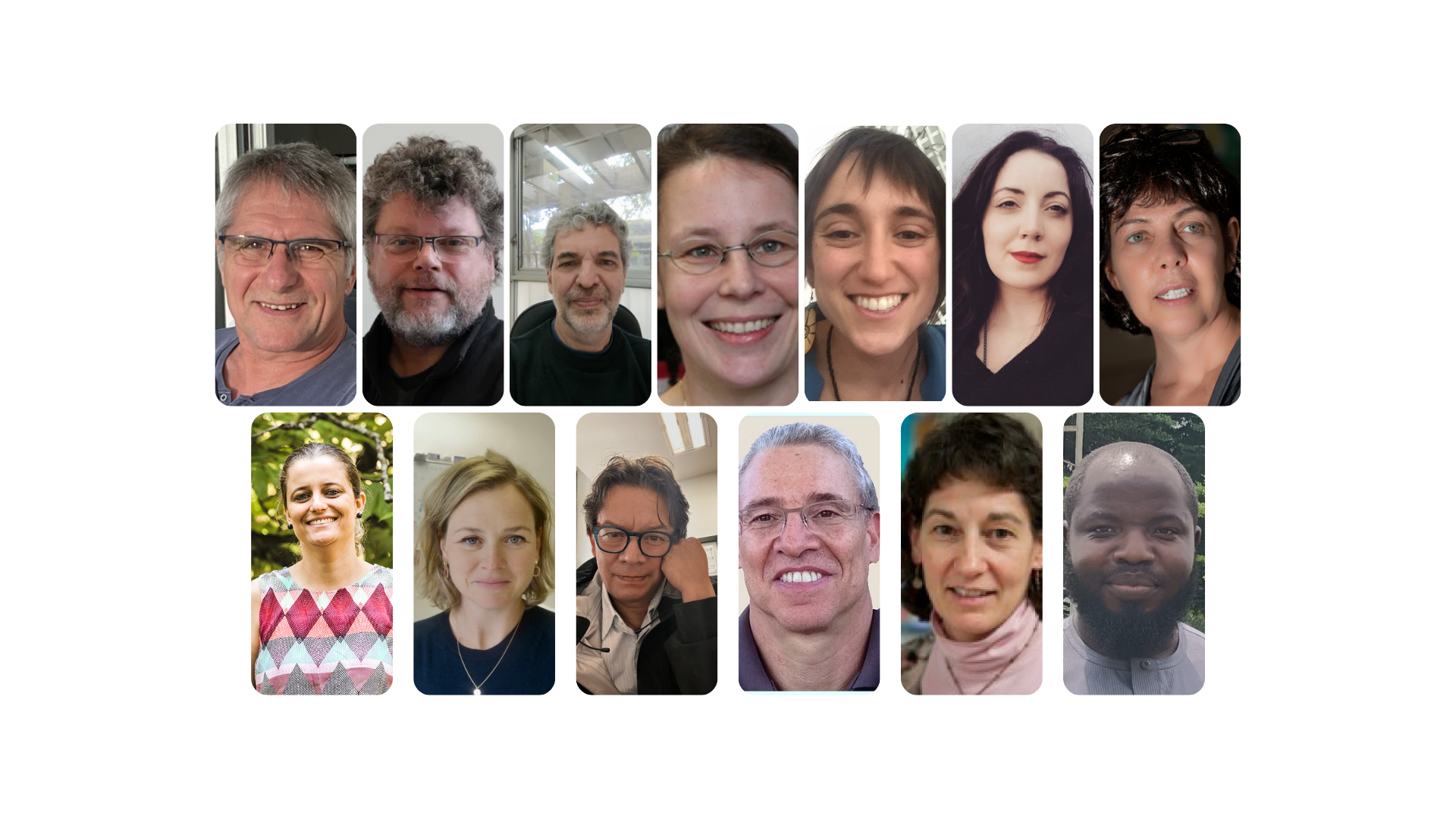
The Global Virtual Symposium on Trypanosomiasis 2025 convened leading parasitologists,
molecular biologists, clinicians, and public health specialists to discuss the latest
advances in understanding Trypanosoma parasites. The one-day online event served
as a dynamic platform to exchange knowledge on molecular mechanisms, diagnostics, drug
targets, and new approaches to control African and American trypanosomiasis.
 Read More
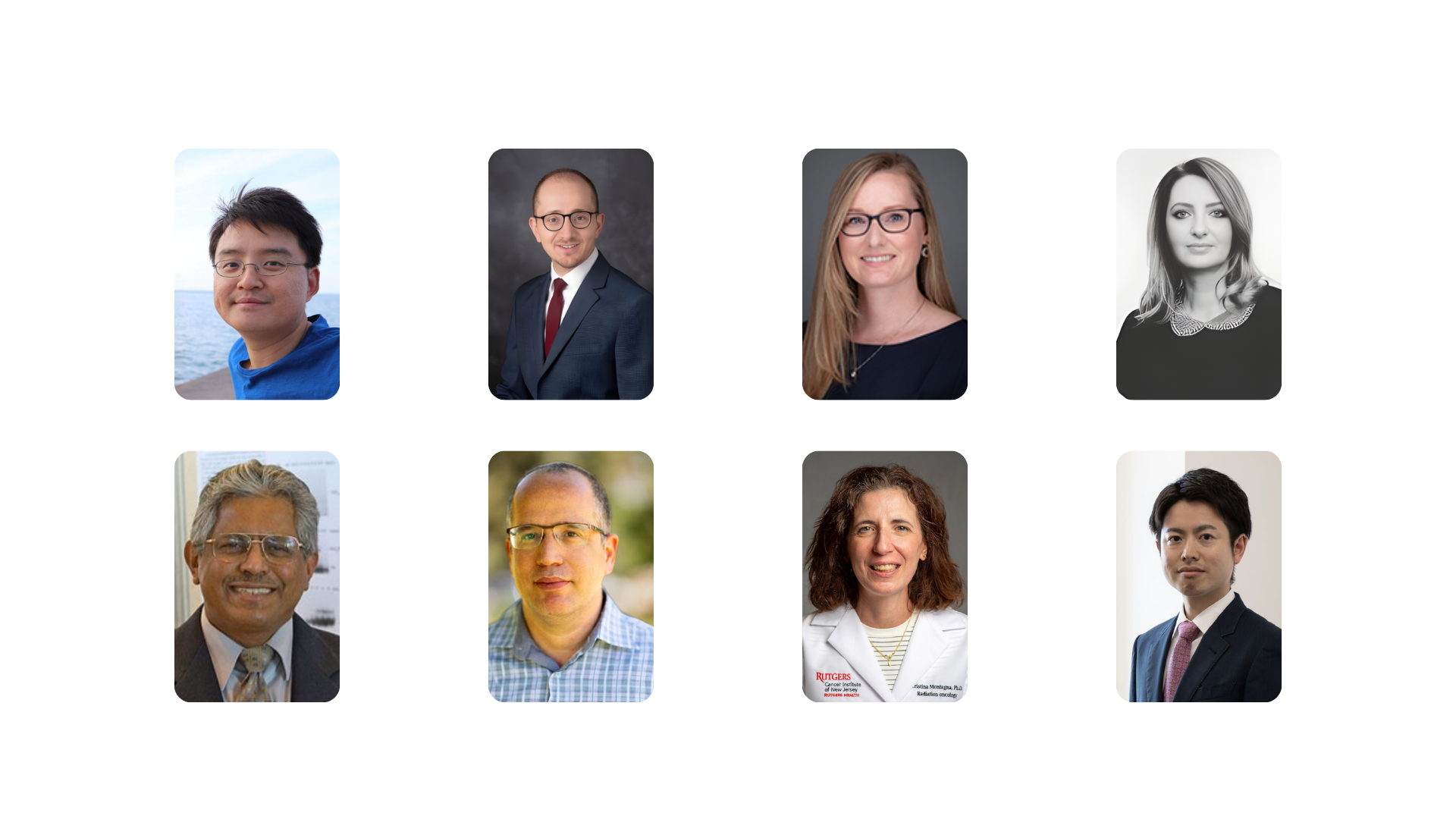
Virtual Symposium on Human Papillomavirus HPV-2026
The HPV 2026 symposium convened leading researchers and clinicians to explore the molecular, immunological, and clinical dimensions of human papillomavirus (HPV) and its associated cancers. The one-day program highlighted advances in targeted therapies, immune modulation, diagnostics, and genomic insights—underscoring the global commitment to reducing HPV-related disease burden.
 Read More
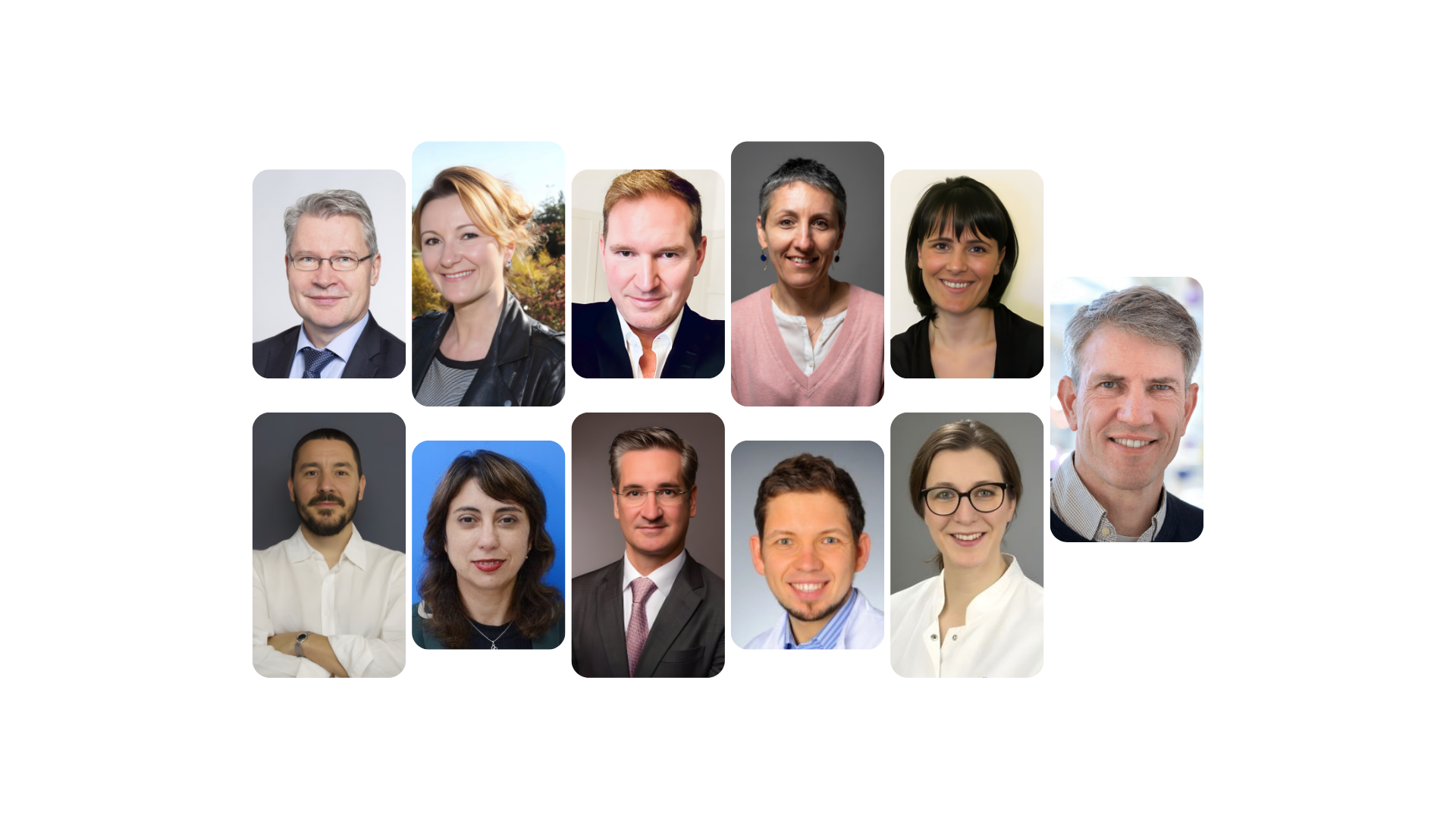
Global Virtual Symposium on Liquid Biopsy 2026
The Liquid Biopsy 2026 symposium brought together leading scientists, clinicians, and industry innovators to showcase the latest advances in circulating biomarkers, molecular diagnostics, and translational applications. The program highlighted the transformative potential of liquid biopsy in cancer detection, monitoring, and personalized therapy, underscoring its role as a cornerstone of precision medicine.
 Read More
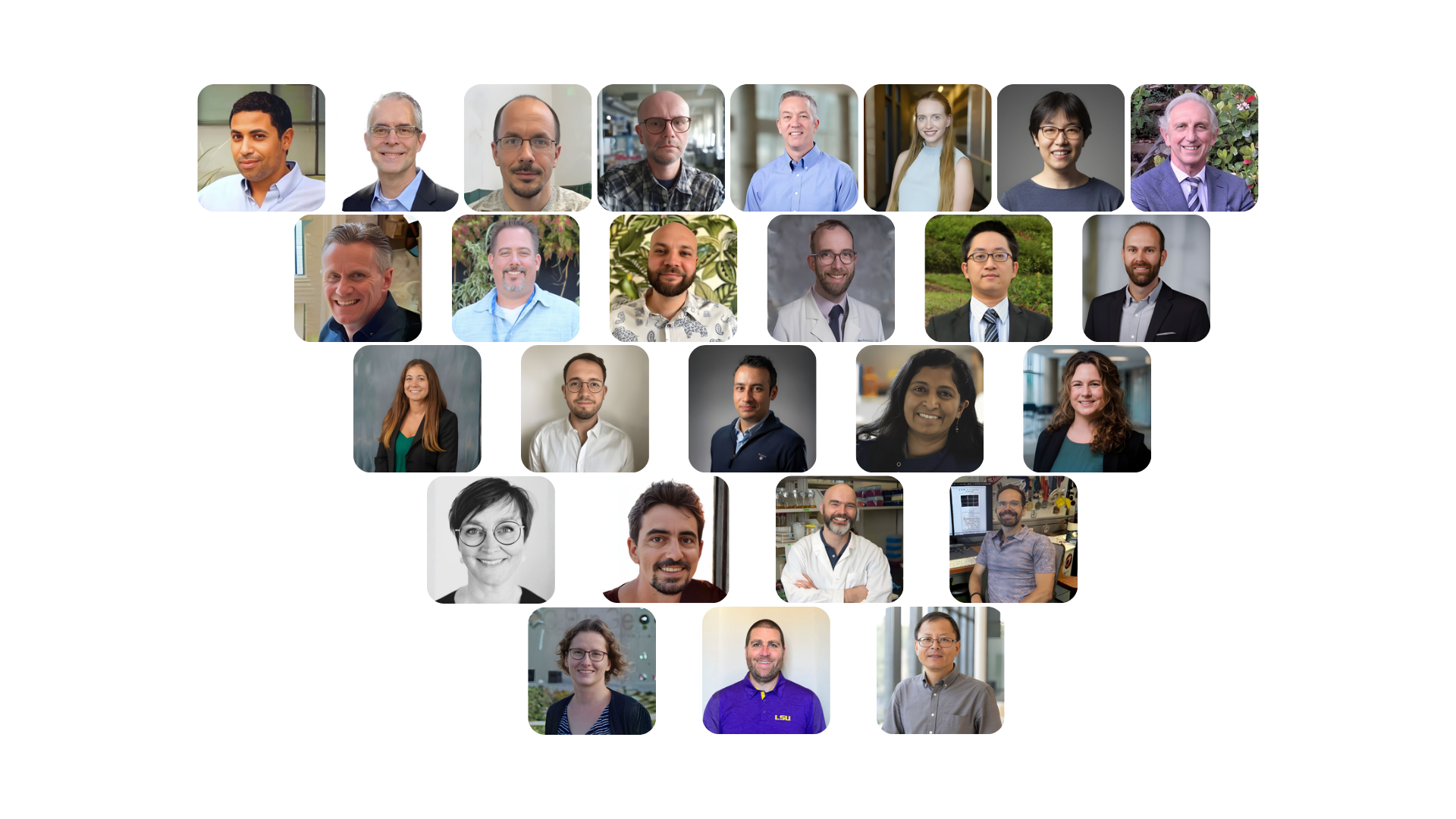
2nd International Virtual Conference on Staphylococci and Staphylococcal Infections 2026
The Staphylococci MEET-2026 symposium brought together global experts to discuss the latest advances in staphylococcal biology, infection dynamics, host-pathogen interactions, and therapeutic innovation. Across two days, the program highlighted cutting-edge research on adhesion, intracellular persistence, biofilm biology, antibiotic resistance, and novel therapeutic strategies—reflecting the urgency of tackling staphylococcal infections worldwide.
 Read More
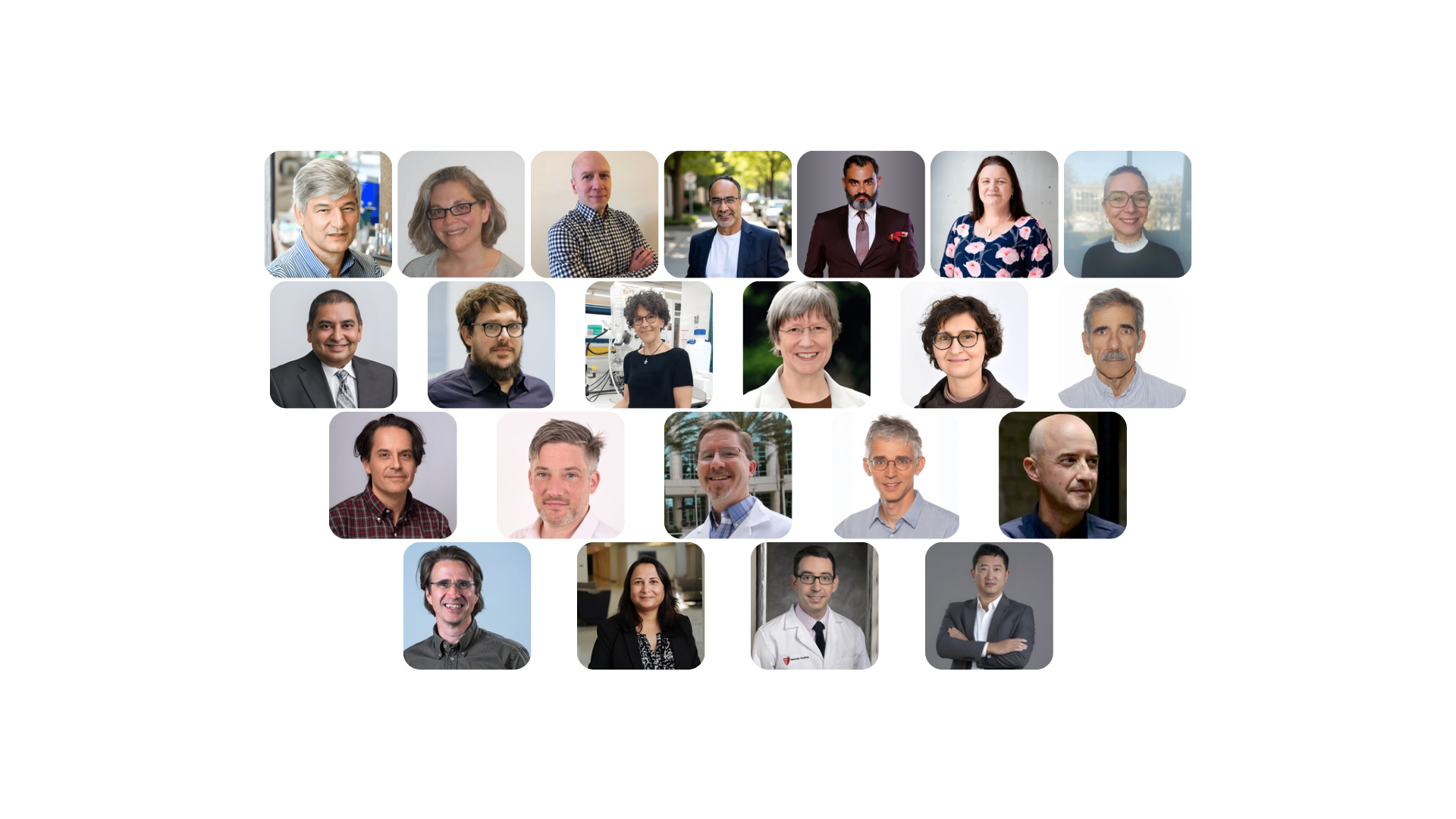
Frontiers in TB & Mycobacteriology: 2nd International Virtual Symposium on TB-2026
The second edition of the Frontiers in TB & Mycobacteriology symposium built upon the momentum of 2025, convening a diverse global network of scientists, clinicians, and innovators. Over two days, the program featured cutting-edge presentations on drug resistance, host-pathogen interactions, vaccine innovation, diagnostics, and host-directed therapies—underscoring the urgency of advancing TB research toward the UN SDG goal of eliminating TB by 2030.
 Read More
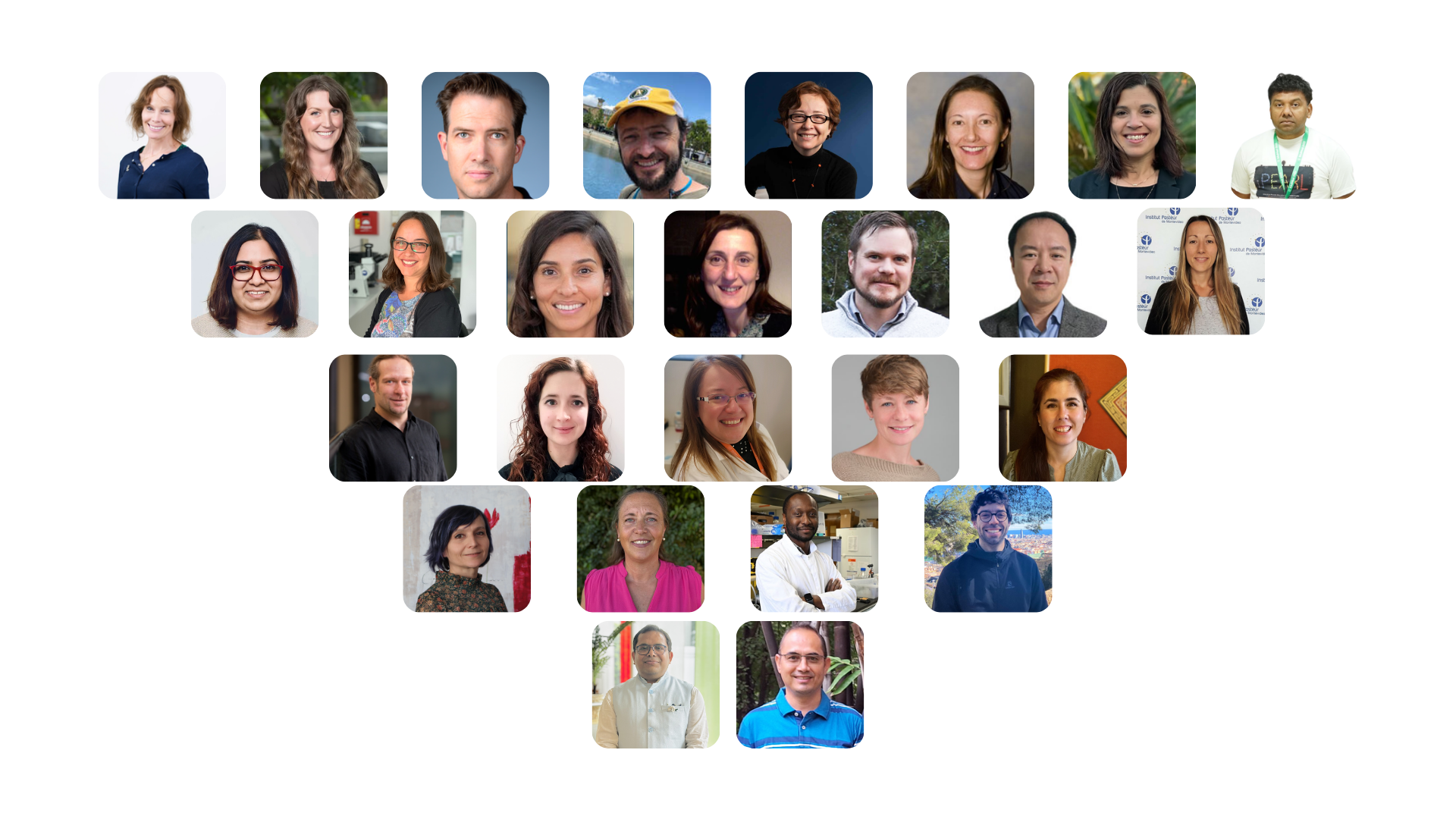
International Conference on Advances in Toxoplasmosis Research
The 2026 edition of the International Conference on Advances in Toxoplasmosis Research convened leading parasitologists, immunologists, and molecular biologists from across the globe. Over two days, the symposium highlighted breakthroughs in host-pathogen interactions, parasite biology, immunometabolism, and translational insights—underscoring the importance of advancing Toxoplasma gondii research for human and animal health.
 Read More
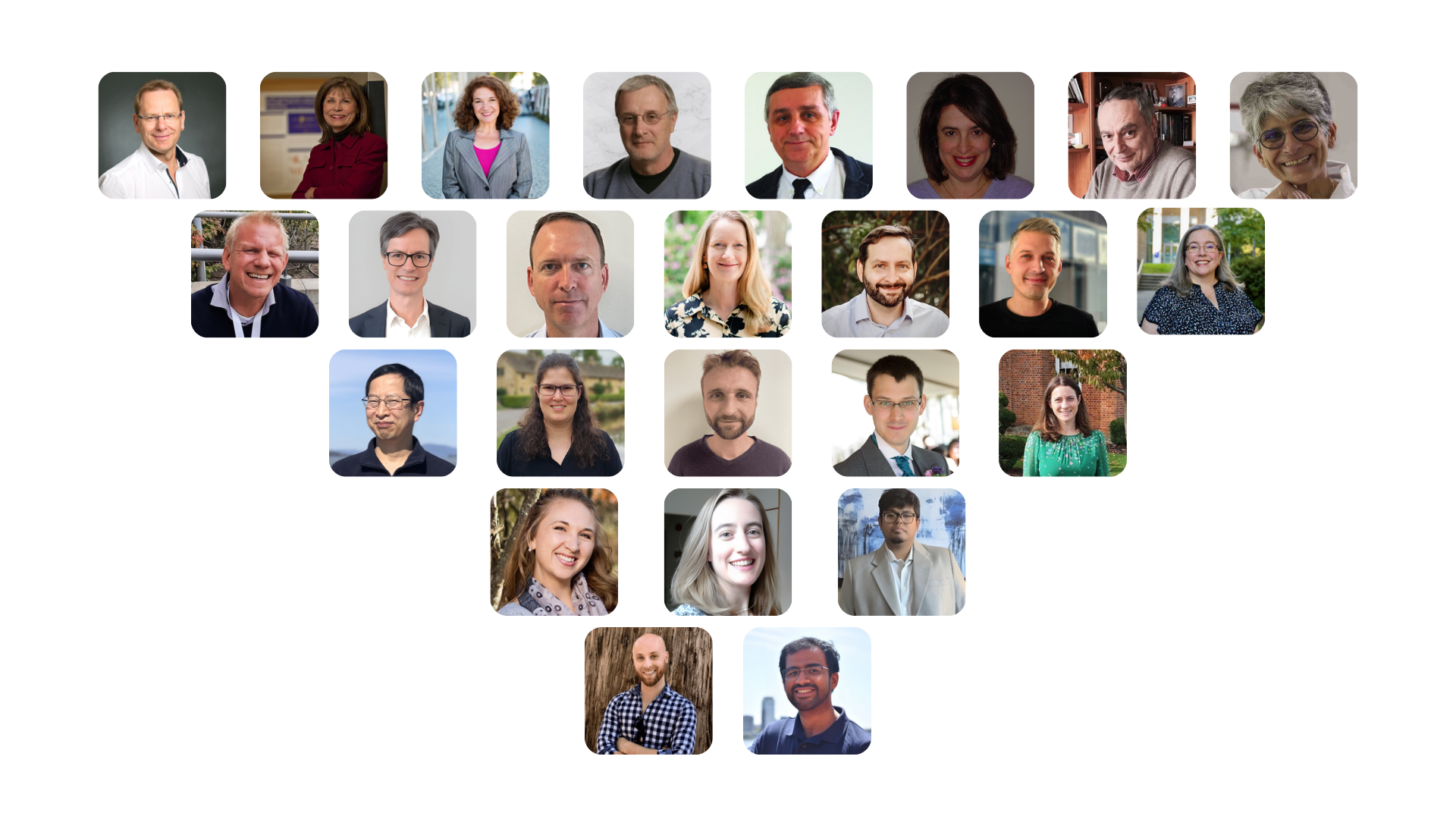
Global Virtual Conference on Streptococcus Research Symposium
The 2026 Global Virtual Streptococcus Research Symposium brought together leading microbiologists, immunologists, and clinicians to advance understanding of Streptococcus pathogenesis, immunity, and clinical outcomes. Over two days, the symposium highlighted breakthroughs in host-pathogen crosstalk, immune evasion, biofilm biology, and antimicrobial resistance—underscoring the urgent need for innovation in tackling streptococcal diseases worldwide.
 Read More
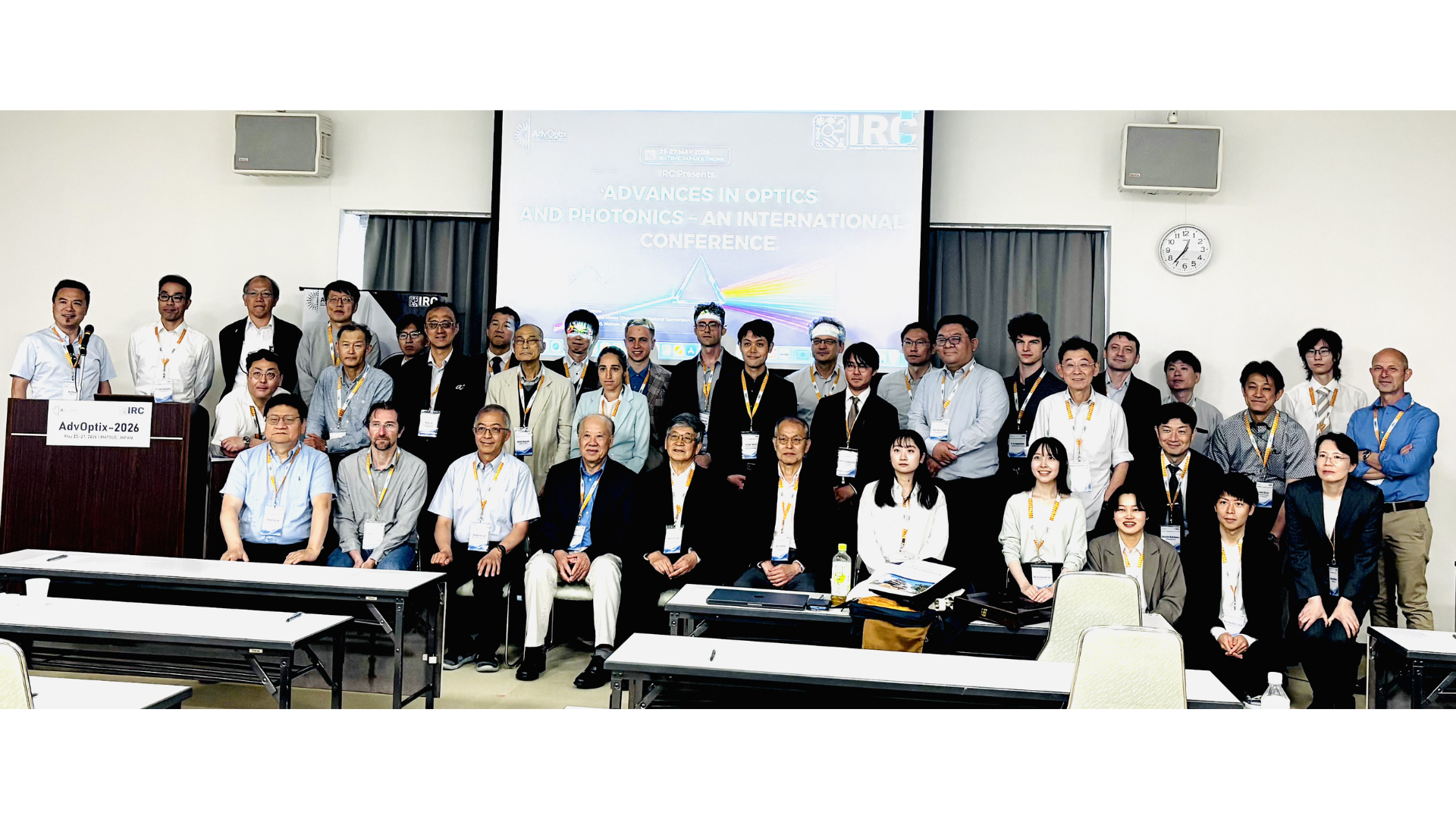
AdvOptix 2026 – Advances in Optics and Photonics - Conference Report
Impact Research Communications (IRC) successfully hosted the AdvOptix 2026 - International Conference on Advances in Optics and Photonics at Kunibiki Messe, Matsue, Japan and Online. The three-day hybrid event brought together leading researchers, engineers, and innovators to showcase breakthroughs in lasers, photonics, quantum technologies, and biomedical optics. With in-person and virtual participation, the conference highlighted how cutting-edge optical science is shaping the future of communication, healthcare, and advanced manufacturing.
 Read More
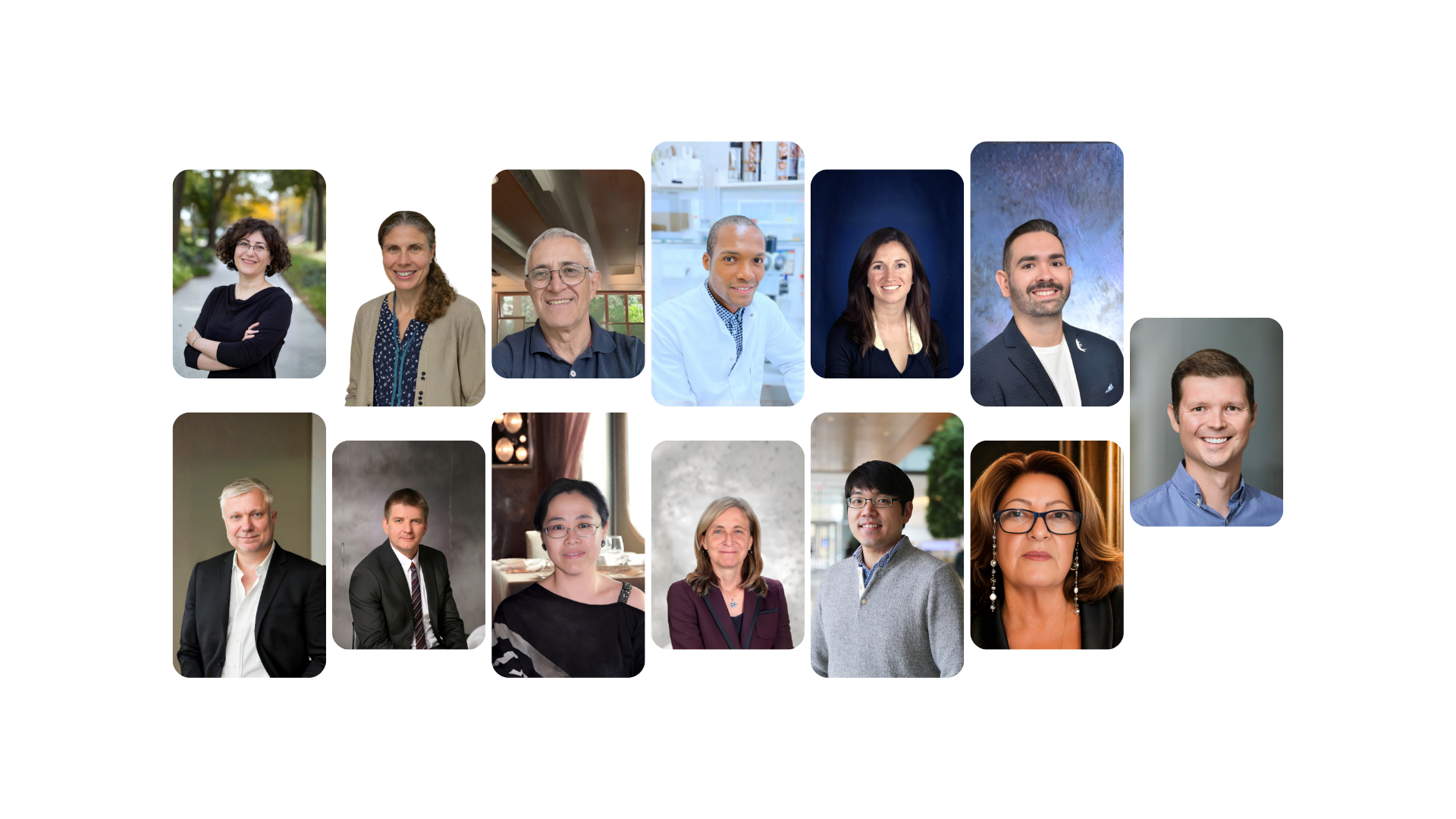
SCHISTOSOMA - 2026 Conference Report
The 2026 Global Virtual Symposium on Schistosomiasis convened leading parasitologists, immunologists, and clinicians to advance knowledge on schistosome biology, host-parasite interactions, diagnostics, vaccines, and therapeutic strategies. Over a full day of sessions, the symposium showcased breakthroughs in molecular technologies, immune mechanisms, vaccine development, and clinical interventions—underscoring the urgent need for innovation in combating schistosomiasis worldwide.
 Read More
